Tweet
Of course the following day I return to the water’s edge. Since autumn has arrived it happens less, but this game isn’t over. I refuse to leave the sea alone; I refuse to commit to King Alfred’s chlorine depths: the stinky changing rooms; kids’ hair in the plughole. There it's all straight blue lines, rubber-capped old ladies and the flailing arms of front crawlers. There I'm a machine cutting up water, a chugging mechanism, hidden behind goggles and cap. Nameless, sexless, meant for movement and breath, there I am the number of seconds it takes for me to touch the concrete ledge of the deep end. I disappear, no longer weighed down by the burden of being somebody. It's for this reason that I tolerate that ugly pool.
Seawater magnetises, hypnotises, pulling me in to where it’s deep and slightly treacherous. Buoyant and serene, it calms my thumping heart and floats me home. Often it’s hard work (the dragging current, those endless bloody waves) but the reward is in the crashing orgasmic flood of the senses. The serotonin kick.
I like swimming far out. But these days I listen to friends who say For fuck’s sake, Clare, be careful. I chit chat with lifeguards. Check wind speeds on the Web. Never go in if waves break violently on the shingle. This summer I even surrendered my solitude and swam with others - we sped past buoys, circled the West Pier and sank back onto hard pebbles, thighs trembling.
The sea has a character and a culture of its own, a world apart from the hectic town I live in. This town doesn’t feel like mine, but down here is – amidst this silent, sturdy society of swimmers, surfers and fishermen. The sea’s an addiction, I know; I'm aware of the risks I run for the high I experience, for that joy peculiar only to open water – the vast expanse, the arctic chill on the toes, sun on face, an unhindered smile. I wonder who, or what, I'd be without it, what shape my life would take. No coincidence, of course, that I started sea-swimming when mum had her last stroke, the one that finally silenced her, that condemned her to unseeable depths somewhere between sky and land. Back then, swimming far out I escaped the world, escaped people, the tick tock of life; I entered her world for a while - fluid, formless and all that quiet.
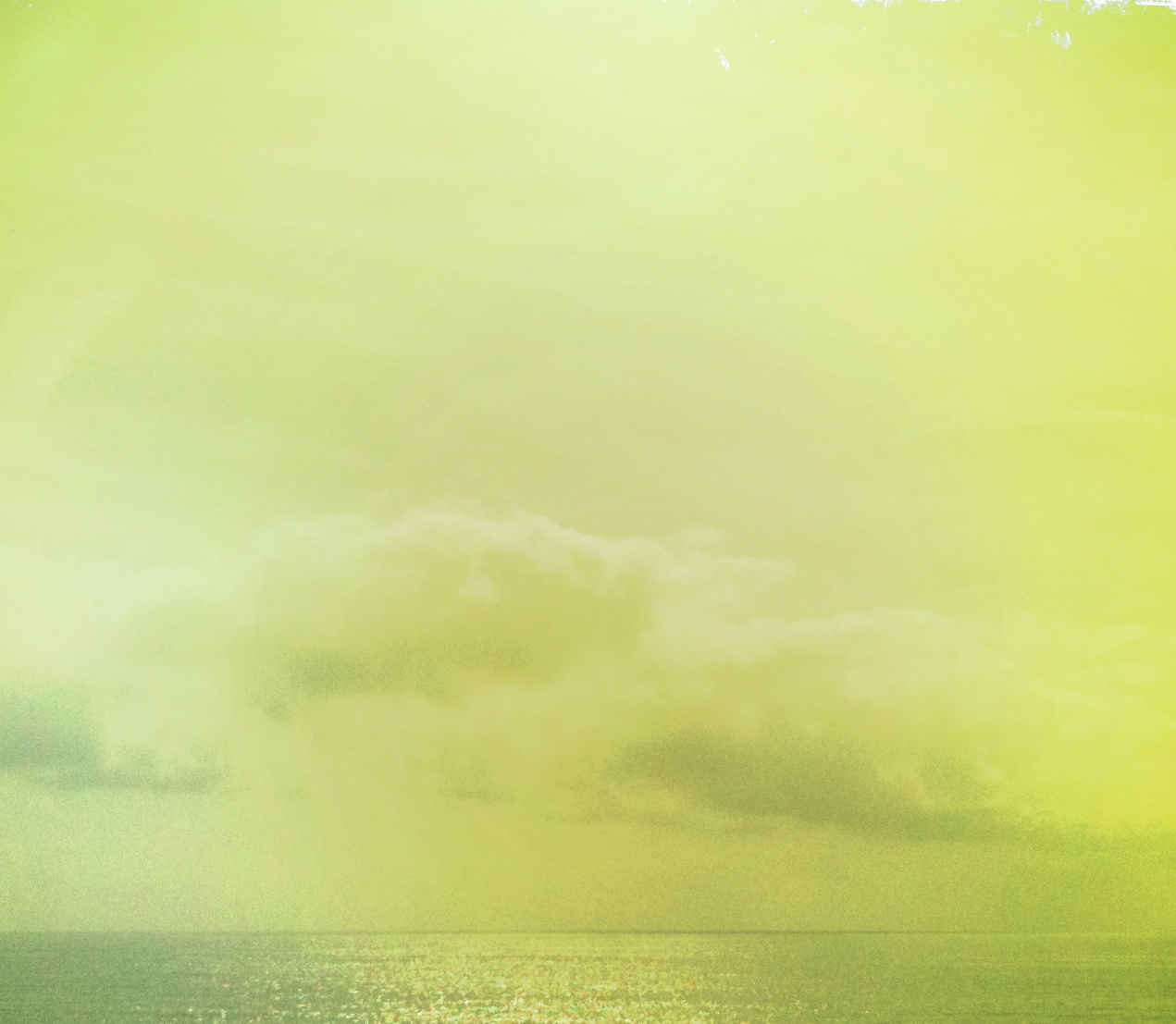
Sun's out. Sitting here writing I keep one ear out for the waves, and my nostrils still sniff seaweed. This could be the day. Last week the buoys disappeared – no markers now, no edges to swim out to. No yellow globe, slimy with seaweed. Just a cold abyss, a charcoal smudge beneath a cloudy skyline.
But I wade into a new experience every day; keep my head above water. Chance it one more time. Before friendly waves turn frosty. Before the last farewell of the season.

I keep thinking this is it. I do my sad little wave, a quick bow. Goodbye, au revoir. Then I turn in my flip-flops and start my brief walk home.
Of course the following day I return to the water’s edge. Since autumn has arrived it happens less, but this game isn’t over. I refuse to leave the sea alone; I refuse to commit to King Alfred’s chlorine depths: the stinky changing rooms; kids’ hair in the plughole. There it's all straight blue lines, rubber-capped old ladies and the flailing arms of front crawlers. There I'm a machine cutting up water, a chugging mechanism, hidden behind goggles and cap. Nameless, sexless, meant for movement and breath, there I am the number of seconds it takes for me to touch the concrete ledge of the deep end. I disappear, no longer weighed down by the burden of being somebody. It's for this reason that I tolerate that ugly pool.
Seawater magnetises, hypnotises, pulling me in to where it’s deep and slightly treacherous. Buoyant and serene, it calms my thumping heart and floats me home. Often it’s hard work (the dragging current, those endless bloody waves) but the reward is in the crashing orgasmic flood of the senses. The serotonin kick.
I like swimming far out. But these days I listen to friends who say For fuck’s sake, Clare, be careful. I chit chat with lifeguards. Check wind speeds on the Web. Never go in if waves break violently on the shingle. This summer I even surrendered my solitude and swam with others - we sped past buoys, circled the West Pier and sank back onto hard pebbles, thighs trembling.
The sea has a character and a culture of its own, a world apart from the hectic town I live in. This town doesn’t feel like mine, but down here is – amidst this silent, sturdy society of swimmers, surfers and fishermen. The sea’s an addiction, I know; I'm aware of the risks I run for the high I experience, for that joy peculiar only to open water – the vast expanse, the arctic chill on the toes, sun on face, an unhindered smile. I wonder who, or what, I'd be without it, what shape my life would take. No coincidence, of course, that I started sea-swimming when mum had her last stroke, the one that finally silenced her, that condemned her to unseeable depths somewhere between sky and land. Back then, swimming far out I escaped the world, escaped people, the tick tock of life; I entered her world for a while - fluid, formless and all that quiet.
Sun's out. Sitting here writing I keep one ear out for the waves, and my nostrils still sniff seaweed. This could be the day. Last week the buoys disappeared – no markers now, no edges to swim out to. No yellow globe, slimy with seaweed. Just a cold abyss, a charcoal smudge beneath a cloudy skyline.
But I wade into a new experience every day; keep my head above water. Chance it one more time. Before friendly waves turn frosty. Before the last farewell of the season.